List

Category
Audience
Tags

Franklin D. Roosevelt

Robert Dallek

Named a Best Book of the Year by The Washington Post and NPR

"We come to see in FDR the magisterial, central figure in the greatest and richest political tapestry of our nation's entire history" --Nigel Hamilton, Boston Globe

"Meticulously researched and authoritative" --Douglas Brinkley, The Washington Post

"A workmanlike addition to the literature on Roosevelt." --David Nasaw, The New York Times

"Dallek offers an FDR relevant to our sharply divided nation" --Michael Kazin

"Will rank among the standard biographies of its subject" --Publishers Weekly

A one-volume biography of Roosevelt by the #1 New York Times bestselling biographer of JFK, focusing on his career as an incomparable politician, uniter, and deal maker

In an era of such great national divisiveness, there could be no more timely biography of one of our greatest presidents than one that focuses on his unparalleled political ability as a uniter and consensus maker. Robert Dallek's Franklin D. Roosevelt: A Political Life takes a fresh look at the many compelling questions that have attracted all his biographers: how did a man who came from so privileged a background become the greatest presidential champion of the country's needy? How did someone who never won recognition for his intellect foster revolutionary changes in the country's economic and social institutions? How did Roosevelt work such a profound change in the country's foreign relations?

For FDR, politics was a far more interesting and fulfilling pursuit than the management of family fortunes or the indulgence of personal pleasure, and by the time he became president, he had commanded the love and affection of millions of people. While all Roosevelt's biographers agree that the onset of polio at the age of thirty-nine endowed him with a much greater sense of humanity, Dallek sees the affliction as an insufficient explanation for his transformation into a masterful politician who would win an unprecedented four presidential terms, initiate landmark reforms that changed the American industrial system, and transform an isolationist country into an international superpower.

Dallek attributes FDR's success to two remarkable political insights. First, unlike any other president, he understood that effectiveness in the American political system depended on building a national consensus and commanding stable long-term popular support. Second, he made the presidency the central, most influential institution in modern America's political system. In addressing the country's international and domestic problems, Roosevelt recognized the vital importance of remaining closely attentive to the full range of public sentiment around policy-making decisions--perhaps FDR's most enduring lesson in effective leadership.
View Details >>

The Wealth of Shadows

Graham Moore

NATIONAL BESTSELLER • “A thriller of a different kind—with an unlikely band of economists and bureaucrats working in the shadows to save the world.”—Charles Frazier, New York Times bestselling author of Cold Mountain

An ordinary man joins a secret mission to bring down the Nazi war machine by crashing their economy in this thrilling novel based on a true story, from the Academy Award–winning screenwriter of The Imitation Game and bestselling author of The Last Days of Night.

1939. Ansel Luxford has everything a person could want—a comfortable career, a brilliant spouse, a beautiful new baby. But he is obsessed by a belief that Europe is on the precipice of a war that will grow to consume the world. The United States is officially proclaiming neutrality in any foreign conflict, but when Ansel is offered an opportunity to move to Washington, D.C., to join a clandestine project within the Treasury Department that is working to undermine Nazi Germany, he uproots his family overnight and takes on the challenge of a lifetime.

How can they defeat the enemy without firing a bullet?

To thwart the Nazis, Ansel and his team invent a powerful new theater of battle: economic warfare. Money is a dangerous weapon, and Ansel’s efforts will plunge him into a world full of peril and deceit. He will crisscross the globe to broker backroom deals, undertake daring heists, and spar with titans of industry like J.P. Morgan and the century’s greatest economic mind, Britain’s John Maynard Keynes. When Ansel’s wife takes a job with the FBI to hunt for spies within the government, the need for subterfuge extends to the home front. And Ansel discovers that he might be closer to those spies than he could ever imagine.

The Wealth of Shadows is a mind-expanding historical novel about the mysterious powers of money, the lies worth telling to defeat evil, and a hidden war that shaped the modern world.

View Details >>

The Complete Maus

Art Spiegelman

The definitive edition of the graphic novel acclaimed as “the most affecting and successful narrative ever done about the Holocaust” (Wall Street Journal) and “the first masterpiece in comic book history” (The New Yorker) • PULITZER PRIZE WINNER • One of Variety’s “Banned and Challenged Books Everyone Should Read”

A brutally moving work of art—widely hailed as the greatest graphic novel ever written—Maus recounts the chilling experiences of the author’s father during the Holocaust, with Jews drawn as wide-eyed mice and Nazis as menacing cats. 

Maus is a haunting tale within a tale, weaving the author’s account of his tortured relationship with his aging father into an astonishing retelling of one of history's most unspeakable tragedies. It is an unforgettable story of survival and a disarming look at the legacy of trauma.

View Details >>

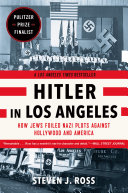
Hitler in Los Angeles

Steven J. Ross

A 2018 FINALIST FOR THE PULITZER PRIZE

“[Hitler in Los Angeles] is part thriller and all chiller, about how close the California Reich came to succeeding” (Los Angeles Times).

No American city was more important to the Nazis than Los Angeles, home to Hollywood, the greatest propaganda machine in the world. The Nazis plotted to kill the city's Jews and to sabotage the nation's military installations: Plans existed for murdering twenty-four prominent Hollywood figures, such as Al Jolson, Charlie Chaplin, and Louis B. Mayer; for driving through Boyle Heights and machine-gunning as many Jews as possible; and for blowing up defense installations and seizing munitions from National Guard armories along the Pacific Coast.

U.S. law enforcement agencies were not paying close attention--preferring to monitor Reds rather than Nazis--and only attorney Leon Lewis and his daring ring of spies stood in the way. From 1933 until the end of World War II, Lewis, the man Nazis would come to call “the most dangerous Jew in Los Angeles,” ran a spy operation comprised of military veterans and their wives who infiltrated every Nazi and fascist group in Los Angeles. Often rising to leadership positions, they uncovered and foiled the Nazi's disturbing plans for death and destruction.

Featuring a large cast of Nazis, undercover agents, and colorful supporting players, the Los Angeles Times bestselling Hitler in Los Angeles, by acclaimed historian Steven J. Ross, tells the story of Lewis's daring spy network in a time when hate groups had moved from the margins to the mainstream.

View Details >>

The Virginia Plan

Robert H. Gillette

During Hitler's rise to power in the 1930's, Richmond department store founder, William Thalhimer and his family traveled to Germany to visit relatives and business contacts. Thalhimer was deeply disturbed and increasingly alarmed as the anti-Semitism that he and his family witnessed escalated into the violence Brown Shirts and Kristallnacht, the Night of Broken Glass. Thalhimer became determined to aid Jews fleeing from Germany, and he eventually met a representative of Gross Breesen, a German-Jewish agricultural training institute. The mission of Gross Breesen, and eventually Thalhimer, was to train young Jews in agriculture in hopes that the expertise gained would ensure the students' successful emigration from Germany. Thalhimer purchased a farm, Hyde Farmlands, in Burkeville, Virginia to give the students a home in Virginia.

View Details >>

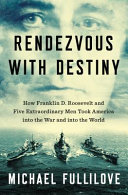
Rendezvous with Destiny

Michael Fullilove

"The remarkable untold story of Franklin D. Roosevelt and the five extraordinary men he used to pull America into World War II" 
In the dark days between Hitler's invasion of Poland in September 1939 and Japan's attack on Pearl Harbor in December 1941, Franklin D. Roosevelt sent five remarkable men on dramatic and dangerous missions to Europe. The missions were highly unorthodox and they confounded and infuriated diplomats on both sides of the Atlantic. Their importance is little understood to this day. In fact, they were crucial to the course of the Second World War. 
The envoys were magnificent, unforgettable characters. First off the mark was Sumner Welles, the chilly, patrician under secretary of state, later ruined by his sexual misdemeanors, who was dispatched by FDR on a tour of European capitals in the spring of 1940. In summer of that year, after the fall of France, William "Wild Bill" Donovan--war hero and future spymaster--visited a lonely United Kingdom at the president's behest to determine whether she could hold out against the Nazis. Donovan's report helped convince FDR that Britain was worth backing. 
After he won an unprecedented third term in November 1940, Roosevelt threw a lifeline to the United Kingdom in the form of Lend-Lease and dispatched three men to help secure it. Harry Hopkins, the frail social worker and presidential confidant, was sent to explain Lend-Lease to Winston Churchill. Averell Harriman, a handsome, ambitious railroad heir, served as FDR's man in London, expediting Lend-Lease aid and romancing Churchill's daughter-in-law. Roosevelt even put to work his rumpled, charismatic opponent in the 1940 presidential election, Wendell Willkie, whose visit lifted British morale and won wary Americans over to the cause. Finally, in the aftermath of Germany's invasion of the Soviet Union, Hopkins returned to London to confer with Churchill and traveled to Moscow to meet with Joseph Stalin. This final mission gave Roosevelt the confidence to bet on the Soviet Union. 
The envoys' missions took them into the middle of the war and exposed them to the leading figures of the age. Taken together, they plot the arc of America's trans¬formation from a divided and hesitant middle power into the global leader. At the center of everything, of course, was FDR himself, who moved his envoys around the globe with skill and elan. 
We often think of Harry S. Truman, George Marshall, Dean Acheson, and George F. Kennan as the authors of America's global primacy in the second half of the twentieth century. But all their achievements were enabled by the earlier work of Roosevelt and his representatives, who took the United States into the war and, by defeating domestic isolationists and foreign enemies, into the world. In these two years, America turned. FDR and his envoys were responsible for the turn. Drawing on vast archival research, "Rendezvous with Destiny" is narrative history at its most delightful, stirring, and important.

View Details >>

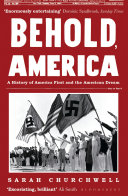
Behold, America

Sarah Churchwell

What does America stand for in the twenty-first century? Behold, America confronts this urgent question by looking at the story behind two of the most contentious phrases in the American political playbook: the 'American dream' and 'America first'. What do these phrases tell us about America's idea of itself? What does it mean to put America first, and what exactly are Americans supposed to be dreaming of - personal wealth, public power, racial equality, political refuge, individual freedoms? What happens when these values collide? 'America first' and the 'American dream' were born nearly a century ago and instantly tangled over capitalism, democracy and race. Invoked most recently in Donald Trump's presidential campaign, they came to embody opposing views in the battle to define the soul of the nation. Behold, America recounts the unknown history of these two expressions using the voices that helped shape that debate, from Capitol Hill to the newsroom of the New York Times, students to senators, dreamers to dissenters. As America struggles again to project a shared vision, to itself and to the world, Sarah Churchwell argues that the meanings and history of these terms need to be understood afresh so that the true spirit of America can be reclaimed. Insightful and revelatory, Behold, America overturns everything we thought we knew about the American dream, America first and the battle for the identity of modern America.

View Details >>

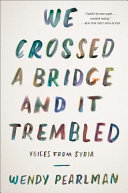
We Crossed a Bridge and It Trembled

Wendy Pearlman

LONG-LISTED FOR THE CARNEGIE MEDAL

Reminiscent of the work of Nobel Prize winner Svetlana Alexievich, an astonishing collection of intimate wartime testimonies and poetic fragments from a cross-section of Syrians whose lives have been transformed by revolution, war, and flight.

Against the backdrop of the wave of demonstrations known as the Arab Spring, in 2011 hundreds of thousands of Syrians took to the streets demanding freedom, democracy and human rights. The government’s ferocious response, and the refusal of the demonstrators to back down, sparked a brutal civil war that over the past five years has escalated into the worst humanitarian catastrophe of our times.

Yet despite all the reporting, the video, and the wrenching photography, the stories of ordinary Syrians remain unheard, while the stories told about them have been distorted by broad brush dread and political expediency. This fierce and poignant collection changes that. Based on interviews with hundreds of displaced Syrians conducted over four years across the Middle East and Europe, We Crossed a Bridge and It Trembled is a breathtaking mosaic of first-hand testimonials from the frontlines. Some of the testimonies are several pages long, eloquent narratives that could stand alone as short stories; others are only a few sentences, poetic and aphoristic. Together, they cohere into an unforgettable chronicle that is not only a testament to the power of storytelling but to the strength of those who face darkness with hope, courage, and moral conviction.

View Details >>

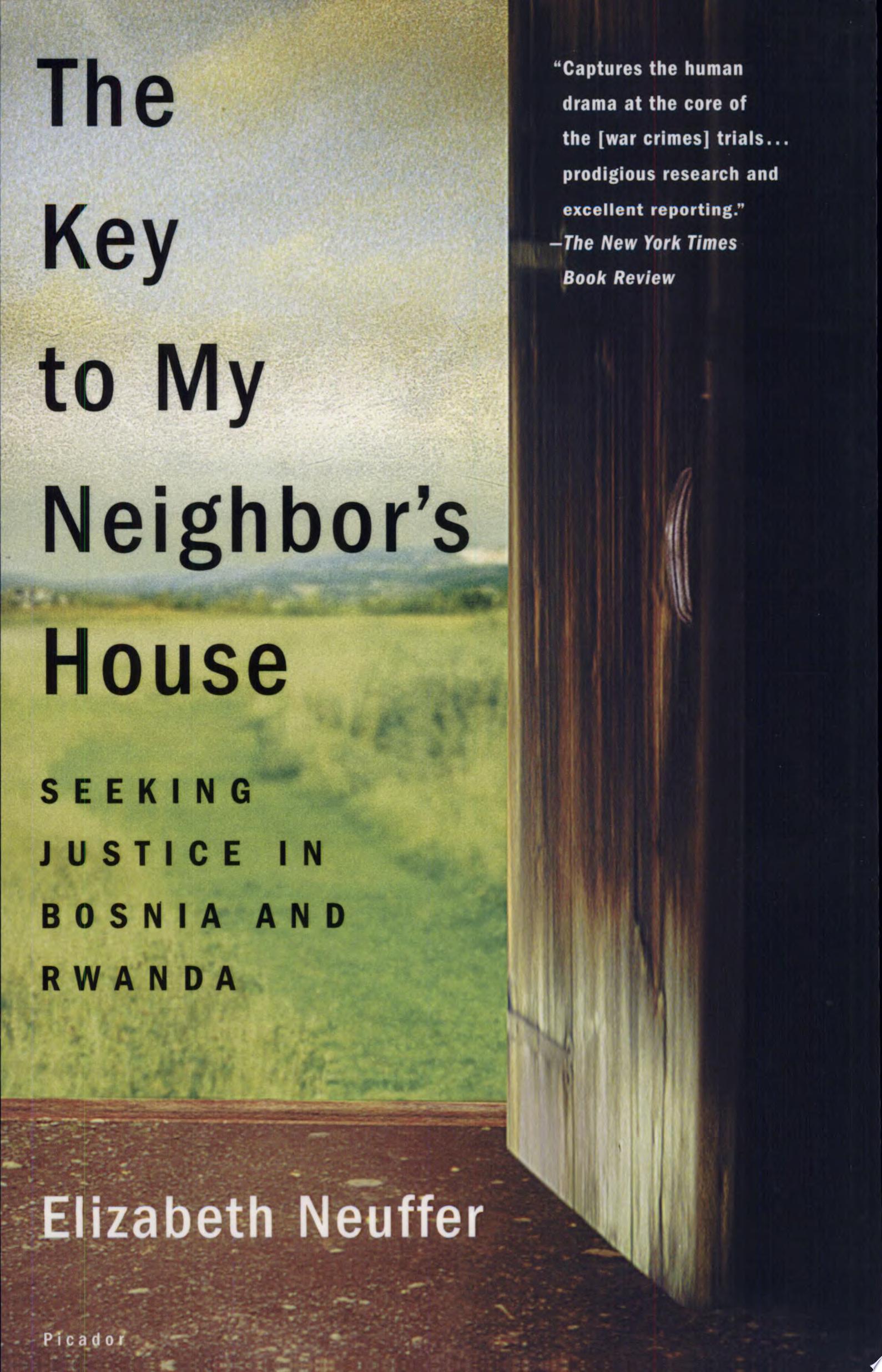
The Key to My Neighbor's House

Elizabeth Neuffer

Examining competing notions of justice in Bosnia and Rwanda, award-winning Boston Globe correspondent Elizabeth Neuffer convinces readers that crimes against humanity cannot be resolved by talk of forgiveness, or through the more common recourse to forgetfulness

As genocidal warfare engulfed the former Yugoslavia and Rwanda, the international community acted too late to prevent unconscionable violations of human rights in both countries. As these states now attempt to reconstruct their national identities, the surviving victims of genocide struggle to come to terms with a world unhinged.

Interviewing victims and aggressors, war orphans and war criminals, Serbian militiamen and NATO commanders, Neuffer explores the extent to which genocide erodes a nation's social and political environment, just as it destroys the individual lives of the aggressor's perceived enemies. She argues persuasively that only by achieving justice for these people can domestic and international organizations hope to achieve lasting peace in regions destroyed by fratricidal warfare.

View Details >>

The Holocaust in American Life

Peter Novick

Prize-winning historian Peter Novick illuminates the reasons Americans ignored the Holocaust for so long -- how dwelling on German crimes interfered with Cold War mobilization; how American Jews, not wanting to be thought of as victims, avoided the subject. He explores in absorbing detail the decisions that later moved the Holocaust to the center of American life: Jewish leaders invoking its memory to muster support for Israel and to come out on top in a sordid competition over what group had suffered most; politicians using it to score points with Jewish voters. With insight and sensitivity, Novick raises searching questions about these developments. Have American Jews, by making the Holocaust the emblematic Jewish experience, given Hitler a posthumous victory, tacitly endorsing his definition of Jews as despised pariahs? Does the Holocaust really teach useful lessons and sensitize us to atrocities, or, by making the Holocaust the measure, does it make lesser crimes seem "not so bad"? What are we to make of the fact that while Americans spend hundreds of millions of dollars for museums recording a European crime, there is no museum of American slavery?

View Details >>

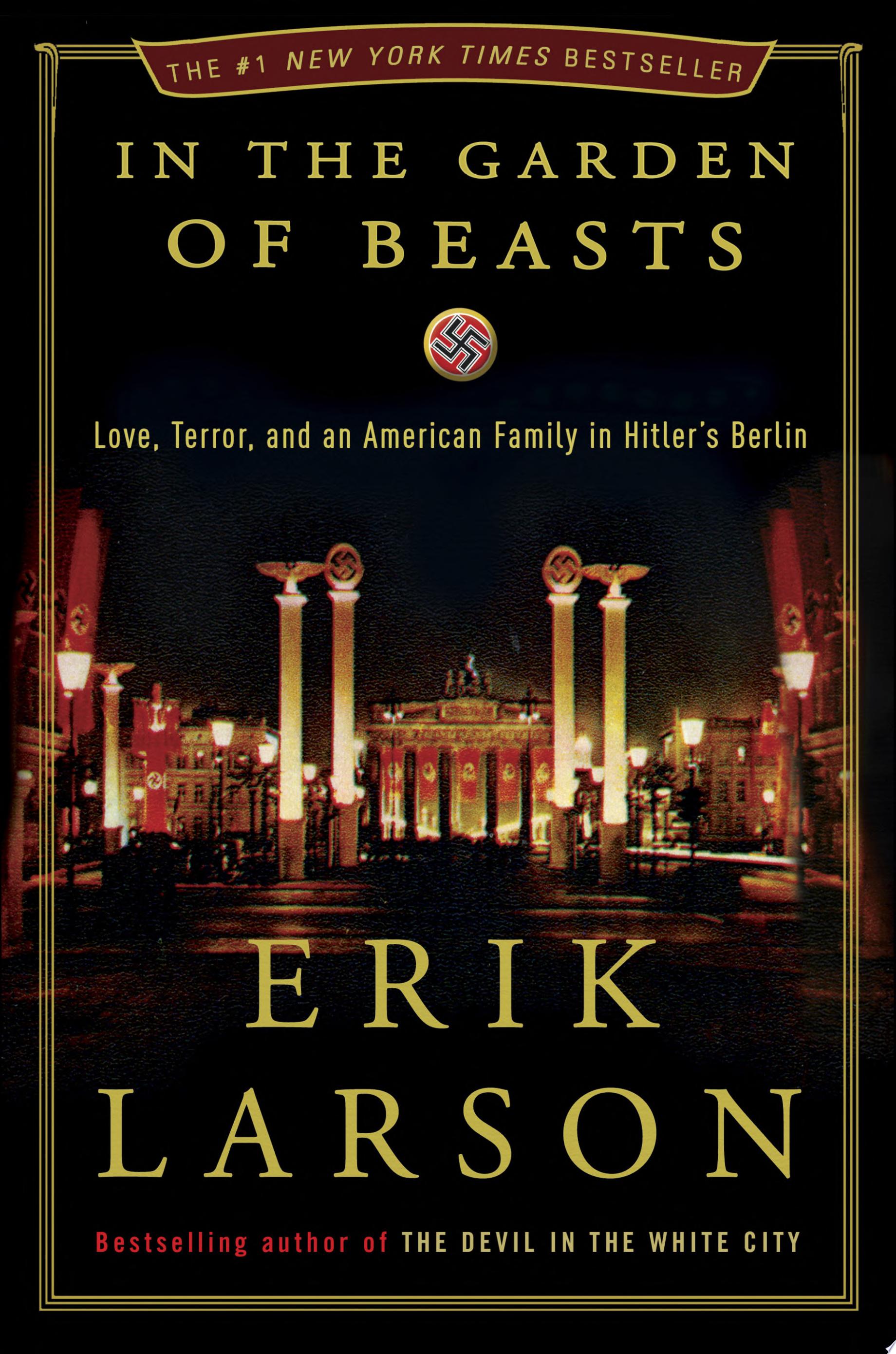
In the Garden of Beasts

Erik Larson

“Larson is a marvelous writer...superb at creating characters with a few short strokes.”—New York Times Book Review
  
Erik Larson has been widely acclaimed as a master of narrative non-fiction, and in his new book, the bestselling author of Devil in the White City turns his hand to a remarkable story set during Hitler’s rise to power.
 
The time is 1933, the place, Berlin, when William E. Dodd becomes America’s first ambassador to Hitler’s Germany in a year that proved to be a turning point in history.
 
A mild-mannered professor from Chicago, Dodd brings along his wife, son, and flamboyant daughter, Martha. At first Martha is entranced by the parties and pomp, and the handsome young men of the Third Reich with their infectious enthusiasm for restoring Germany to a position of world prominence. Enamored of the “New Germany,” she has one affair after another, including with the suprisingly honorable first chief of the Gestapo, Rudolf Diels. But as evidence of Jewish persecution mounts, confirmed by chilling first-person testimony, her father telegraphs his concerns to a largely indifferent State Department back home. Dodd watches with alarm as Jews are attacked, the press is censored, and drafts of frightening new laws begin to circulate. As that first year unfolds and the shadows deepen, the Dodds experience days full of excitement, intrigue, romance—and ultimately, horror, when a climactic spasm of violence and murder reveals Hitler’s true character and ruthless ambition.
 
Suffused with the tense atmosphere of the period, and with unforgettable portraits of the bizarre Göring and the expectedly charming--yet wholly sinister--Goebbels, In the Garden of Beasts lends a stunning, eyewitness perspective on events as they unfold in real time, revealing an era of surprising nuance and complexity. The result is a dazzling, addictively readable work that speaks volumes about why the world did not recognize the grave threat posed by Hitler until Berlin, and Europe, were awash in blood and terror.

View Details >>

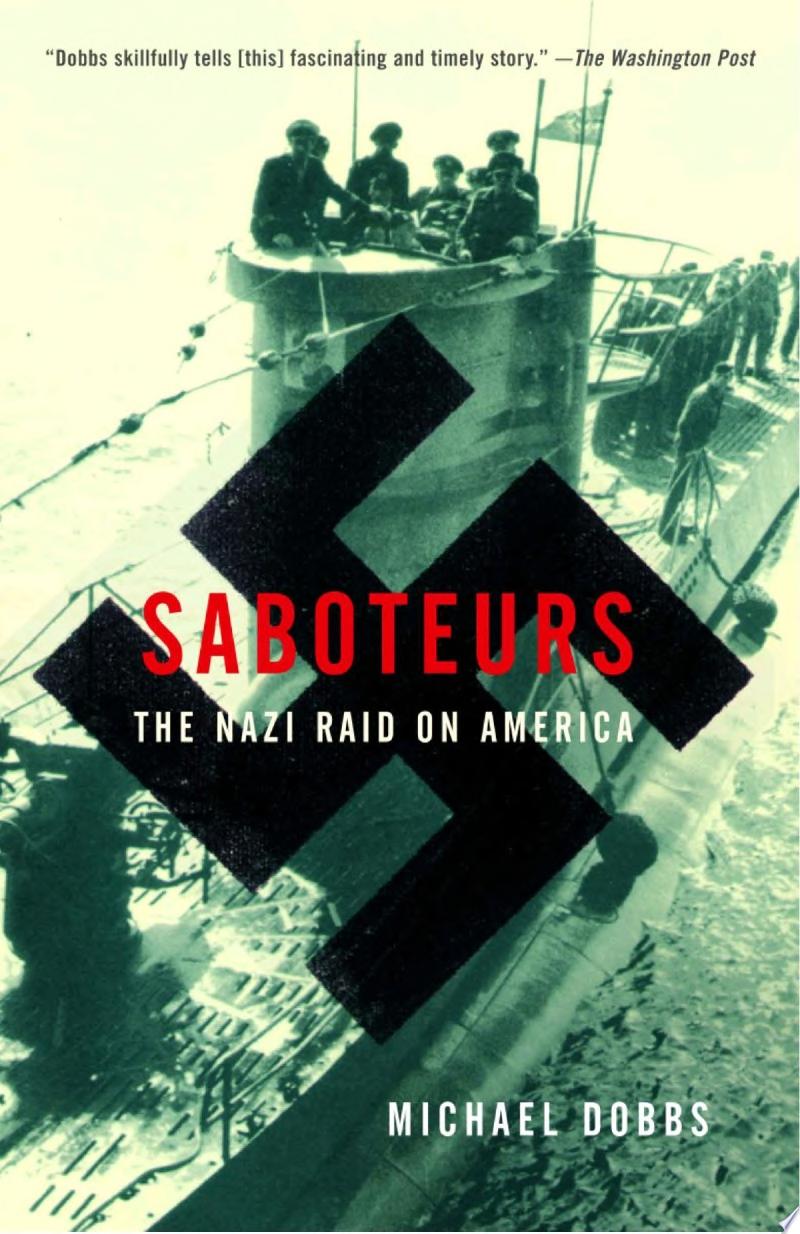
Saboteurs

Michael Dobbs


In 1942, Hitler's Nazi regime trained eight operatives for a mission to infiltrate America and do devastating damage to its infrastructure. It was a plot that proved historically remarkable for two reasons: the surprising extent of its success and the astounding nature of its failure. Soon after two U-Boats packed with explosives arrived on America's shores–one on Long Island, one in Florida–it became clear that the incompetence of the eight saboteurs was matched only by that of American authorities. In fact, had one of the saboteurs not tipped them off, the FBI might never have caught the plot's perpetrators–though a dozen witnesses saw a submarine moored on Long Island. 
As told by Michael Dobbs, the story of the botched mission and a subsequent trial by military tribunal, resulting in the swift execution of six saboteurs, offers great insight into the tenor of the country--and the state of American intelligence--during World War II and becomes what is perhaps a cautionary tale for our times.

View Details >>

GI Jews

Deborah Dash MOORE

Whether they came from Sioux Falls or the Bronx, over half a million Jews entered the U.S. armed forces during the Second World War. Uprooted from their working- and middle-class neighborhoods, they joined every branch of the military and saw action on all fronts. Deborah Dash Moore offers an unprecedented view of the struggles these GI Jews faced, having to battle not only the enemy but also the prejudices of their fellow soldiers.

Through memoirs, oral histories, and letters, Moore charts the lives of fifteen young Jewish men as they faced military service and tried to make sense of its demands. From confronting pork chops to enduring front-line combat, from the temporary solace of Jewish worship to harrowing encounters with death camp survivors, we come to understand how these soldiers wrestled with what it meant to be an American and a Jew.

Moore shows how military service in World War II transformed this generation of Jews, reshaping Jewish life in America and abroad. These men challenged perceptions of Jews as simply victims of the war, and encouraged Jews throughout the diaspora to fight for what was right. At the same time, service strengthened Jews' identification with American democratic ideals, even as it confirmed the importance of their Jewish identity. GI Jews is a powerful, intimate portrayal of the costs of a conflict that was at once physical, emotional, and spiritual, as well as its profound consequences for these hitherto overlooked members of the "greatest generation."

View Details >>

Official Secrets

Richard Breitman

Richard Breitman's Official Secrets is an important work based on newly declassified archives.

As defeat loomed over the Third Reich in 1945, its officials tried to destroy the physical and documentary evidence about the Nazis' monstrous crimes, about their murder of millions. Great Britain already had some of the evidence, however, for its intelligence services had for years been intercepting, decoding, and analyzing German police radio messages and SS ones, too. Yet these important papers were sealed away as "Most Secret," "Never to Be Removed from This Office"-and they have only now reappeared. 

Integrating this new evidence with other sources, Richard Breitman reconsiders how Germany's leaders brought about the Holocaust-and when-and reassesses Britain's and America's suppression of information about the Nazi killings. His absorbing account of the tensions between the two powers and the consequences of keeping this information secret for so long shows us the danger of continued government secrecy, which serves none of us well, and the failure to punish many known war criminals.

View Details >>

Rescue and Flight

Susan Elisabeth Subak

When Susan Elisabeth Subak discovered that members of the Unitarian Church had helped her Jewish father immigrate to the United States, she was unaware of the impact the organization had made during World War II. After years of research, Subak uncovers the little-known story of the Unitarian Service Committee, which rescued European refugees during World War II, and the remarkable individuals who made it happen. ø The Unitarian Service Committee was among the few American organizations committed to helping refugees during World War II. The staff who ran the committee assisted those endangered by the Nazi regime, from famous writers and artists to the average citizen. Part of a larger network of American relief workers, the Unitarian Committee helped refugees negotiate the official and legal channels of escape and, when those methods failed, the more complex underground channels. From their offices in Portugal and southern France they created escape routes through Europe to the United States, South America, and England, and rescued thousands, often at great personal risk.

View Details >>

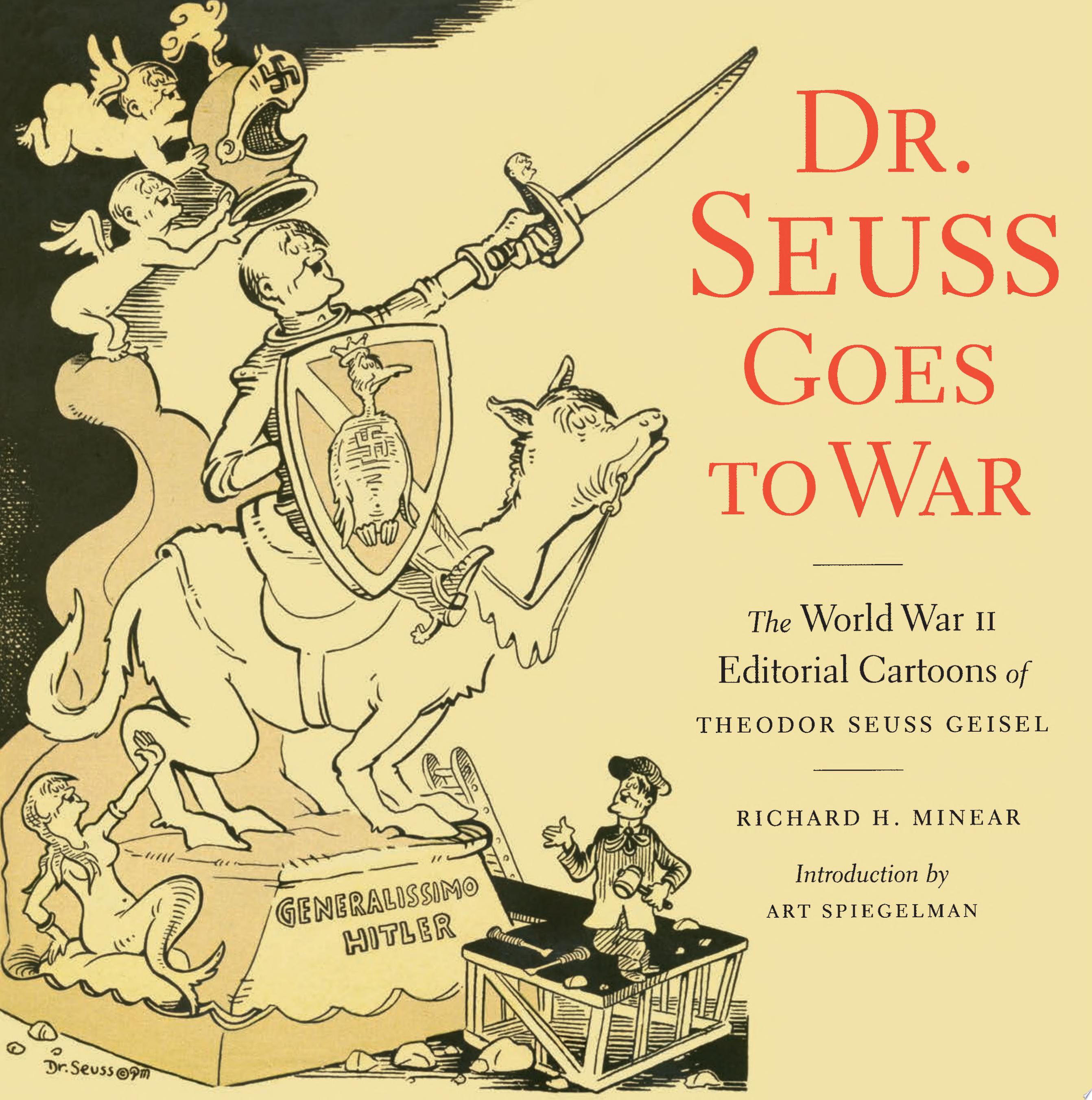
Dr. Seuss Goes to War

Richard H. Minear

For decades, readers throughout the world have enjoyed the marvelous stories and illustrations of Theodor Seuss Geisel, better known as Dr. Seuss. But few know the work Geisel did as a political cartoonist during World War II, for the New York daily newspaper PM. In these extraordinarily trenchant cartoons, Geisel presents "a provocative history of wartime politics" (Entertainment Weekly). Dr. Seuss Goes to War features handsome, large-format reproductions of more than two hundred of Geisel’s cartoons, alongside "insightful" (Booklist) commentary by the historian Richard H. Minear that places them in the context of the national climate they reflect.

Pulitzer Prize–winner Art Spiegelman’s introduction places Seuss firmly in the pantheon of the leading political cartoonists of our time.

View Details >>

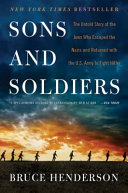
Sons and Soldiers

Bruce Henderson

NEW YORK TIMES BESTSELLER • "An irresistible history of the WWII Jewish refugees who returned to Europe to fight the Nazis.” —Newsday

They were young Jewish boys who escaped from Nazi-occupied Europe and resettled in America. After the United States entered the war, they returned to fight for their adopted homeland and for the families they had left behind. Their stories tell the tale of one of the U.S. Army’s greatest secret weapons.

Sons and Soldiers begins during the menacing rise of Hitler’s Nazi party, as Jewish families were trying des-perately to get out of Europe. Bestselling author Bruce Henderson captures the heartbreaking stories of parents choosing to send their young sons away to uncertain futures in America, perhaps never to see them again. As these boys became young men, they were determined to join the fight in Europe. Henderson describes how they were recruited into the U.S. Army and how their unique mastery of the German language and psychology was put to use to interrogate German prisoners of war.

These young men—known as the Ritchie Boys, after the Maryland camp where they trained—knew what the Nazis would do to them if they were captured. Yet they leapt at the opportunity to be sent in small, elite teams to join every major combat unit in Europe, where they collected key tactical intelligence on enemy strength, troop and armored movements, and defensive positions that saved American lives and helped win the war. A postwar army report found that nearly 60 percent of the credible intelligence gathered in Europe came from the Ritchie Boys.

Sons and Soldiers draws on original interviews and extensive archival research to vividly re-create the stories of six of these men, tracing their journeys from childhood through their escapes from Europe, their feats and sacri-fices during the war, and finally their desperate attempts to find their missing loved ones. Sons and Soldiers is an epic story of heroism, courage, and patriotism that will not soon be forgotten.

View Details >>

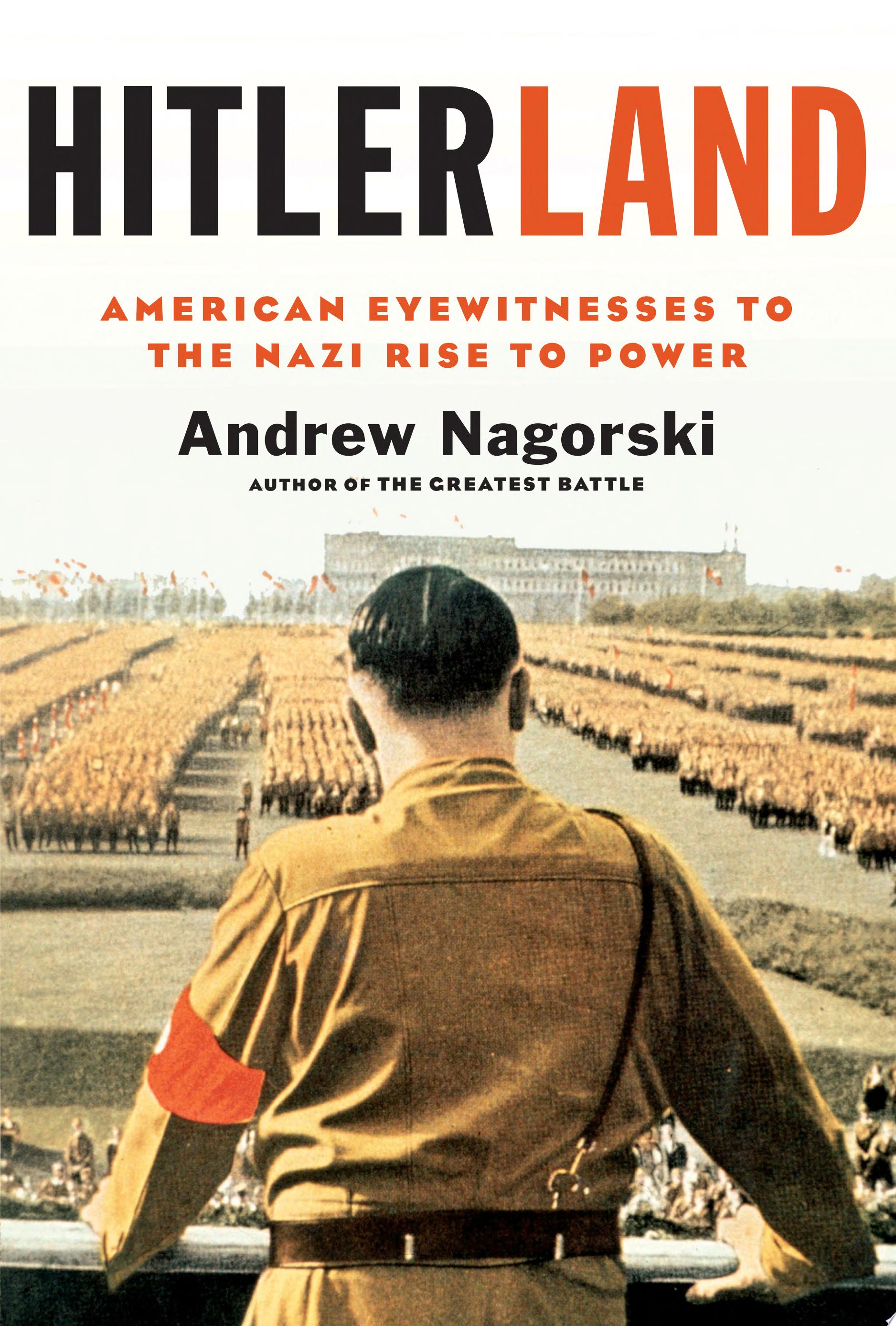
Hitlerland

Andrew Nagorski

Hitler’s rise to power, Germany’s march to the abyss, as seen by Americans—diplomats, military, expats, visiting authors, Olympic athletes—who watched horrified and up close.

Some of the Americans in Hitler’s Germany were merely casual observers, others deliberately blind, a few were Nazi apologists. But most began slowly to understand what was unfolding, even when they found it difficult to grasp the breadth of the catastrophe.

Among the journalists, William Shirer understood what was happening. Edgar Mowrer, Dorothy Thompson, and Sigrid Schultz, reporters, were alarmed. Consul General George Messersmith distinguished. Truman Smith, the first American official to meet Hitler, was an astute political observer. Historian William Dodd, who FDR tapped as ambassador in Berlin, left disillusioned; his daughter Martha scandalized the embassy with her procession of lovers, Nazis she took up with; she ended as a Soviet spy.

On the scene were George Kennan, the architect of containment; Richard Helms, who rose to the top of the CIA. The writers Sinclair Lewis and Thomas Wolfe, famed aviator Charles Lindbergh, and the great athlete Jesse Owens came through Germany; so did a younger generation of journalists—Richard Hottelet, Hans V. Kaltenborn, Howard K. Smith, and Ed Murrow.

These Americans helped their reluctant countrymen begin to understand Nazi Germany as it ruthlessly eliminated political opponents, instilled hatred of Jews and anyone deemed a member of an inferior race, and readied its military and its people for a war for global domination. They helped prepare Americans for the years of struggle ahead.

View Details >>

Nazis of Copley Square

Charles R. Gallagher

Winner of a Catholic Media Association Book Award

"A great, but deeply unsettling, revelation...This book is more than an account of Boston in wartime. It is a warning."--Boston Globe

"The rare book by a scholar that is such a page-turner it is hard to put down...A potent brew of spy story, detective story, and frank, fearless account of how a significant wing of the Roman Catholic Church in the United States spawned a movement aimed at defending Hitler and sabotaging America's war effort."--David I. Kertzer, author of The Pope and Mussolini

"[A] well told, expertly researched, and much-needed history of the Christian Front, an organization that presages today's far-right activity...Riveting."--Commonweal

On January 13, 1940, FBI agents burst into the homes of seventeen members of the Christian Front, seizing guns, ammunition, and homemade bombs. J. Edgar Hoover's charges were incendiary: the group, he alleged, was planning to incite a revolution and install a "temporary dictatorship" to stamp out Jewish and Communist influence in the United States. Interviewed in his jail cell, the front's ringleader was unbowed: "All I can say is--long live Christ the King! Down with Communism!"

In this brilliant work of historical reconstruction, Charles Gallagher provides a crucial missing chapter in the history of the American far right. The men of the Christian Front imagined themselves to be crusaders fighting for the spiritual purification of the nation, and they were hardly alone in their beliefs.

Nazis of Copley Square chronicles the evolution of the front, the transatlantic cloak-and-dagger intelligence operations that subverted it, and the political and religious leaders who shielded it from scrutiny. A riveting tale of faith perverted to violent ends, it offers a potent warning to those who hope to curb the spread of far-right ideologies today.

View Details >>

Why?

Peter Hayes

Featured in the PBS documentary, "The US and the Holocaust" by Ken Burns, Lynn Novick and Sarah Botstein

"Superbly written and researched, synthesizing the classics while digging deep into a vast repository of primary sources." —Josef Joffe, Wall Street Journal 
 

Why? explores one of the most tragic events in human history by addressing eight of the most commonly asked questions about the Holocaust: Why the Jews? Why the Germans? Why murder? Why this swift and sweeping? Why didn’t more Jews fight back more often? Why did survival rates diverge? Why such limited help from outside? What legacies, what lessons?

An internationally acclaimed scholar, Peter Hayes brings a wealth of research and experience to bear on conventional views of the Holocaust, dispelling many misconceptions and challenging some of the most prominent recent interpretations.

View Details >>

Auschwitz, the Allies and Censorship of the Holocaust

Michael Fleming

What was the extent of allied knowledge regarding the mass murder of Jews at Auschwitz during the Second World War? The question is one which continues to prompt heated historical debate, and Michael Fleming's important new book offers a definitive account of just how much the Allies knew. By tracking Polish and other reports about Auschwitz from their source, and surveying how knowledge was gathered, controlled and distributed to different audiences, the book examines the extent to which information about the camp was passed on to the British and American authorities, and how the dissemination of this knowledge was limited by propaganda and information agencies in the West. In a fascinating new study, the author reveals that the Allies had extensive knowledge of the mass killing of Jews at Auschwitz much earlier than previously thought; but the publicising of this information was actively discouraged in Britain and the US.

View Details >>

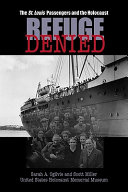
Refuge Denied

Sarah A. Ogilvie

In May of 1939 the Cuban government turned away the Hamburg-America Line’s MS St. Louis, which carried more than 900 hopeful Jewish refugees escaping Nazi Germany. The passengers subsequently sought safe haven in the United States, but were rejected once again, and the St. Louis had to embark on an uncertain return voyage to Europe. Finally, the St. Louis passengers found refuge in four western European countries, but only the 288 passengers sent to England evaded the Nazi grip that closed upon continental Europe a year later. Over the years, the fateful voyage of the St. Louis has come to symbolize U.S. indifference to the plight of European Jewry on the eve of World War II. 

Although the episode of the St. Louis is well known, the actual fates of the passengers, once they disembarked, slipped into historical obscurity. Prompted by a former passenger’s curiosity, Sarah Ogilvie and Scott Miller of the United States Holocaust Memorial Museum set out in 1996 to discover what happened to each of the 937 passengers. Their investigation, spanning nine years and half the globe, took them to unexpected places and produced surprising results. Refuge Denied chronicles the unraveling of the mystery, from Los Angeles to Havana and from New York to Jerusalem. 

Some of the most memorable stories include the fate of a young toolmaker who survived initial selection at Auschwitz because his glasses had gone flying moments before and a Jewish child whose apprenticeship with a baker in wartime France later translated into the establishment of a successful business in the United States. Unfolding like a compelling detective thriller, Refuge Denied is a must-read for anyone interested in the Holocaust and its impact on the lives of ordinary people.

View Details >>

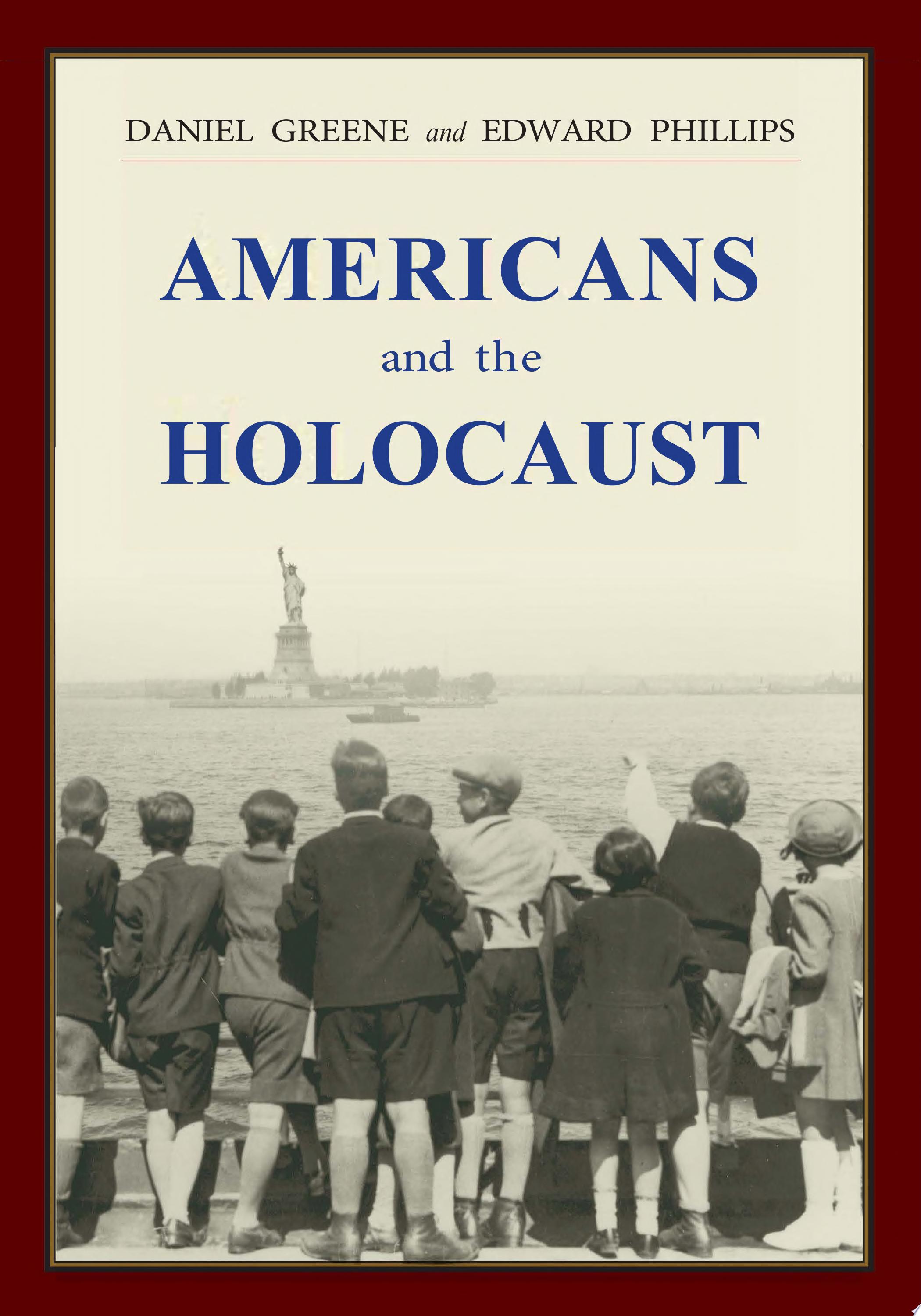
Americans and the Holocaust

Daniel Greene

What did the American people and the US government know about the threats posed by Nazi Germany? What could have been done to stop the rise of Nazism in Germany and its assault on Europe’s Jews? 

Americans and the Holocaust explores these enduring questions by gathering together more than one hundred primary sources that reveal how Americans debated their responsibility to respond to Nazism. Drawing on groundbreaking research conducted for the United States Holocaust Memorial Museum’s Americans and the Holocaust exhibition, these carefully chosen sources help readers understand how Americans’ responses to Nazism were shaped by the challenging circumstances in the United States during the 1920s, 1930s, and 1940s, including profound economic crisis, fear of communism, pervasive antisemitism and racism, and widespread isolationism. 

Collecting newspaper and magazine articles, popular culture materials, and government records, Americans and the Holocaust is a valuable resource for students and historians seeking to shed light on this dark era in world history.

To explore further, visit the United States Holocaust Memorial Museum's digital exhibit, available here: https://exhibitions.ushmm.org/americans-and-the-holocaust

Published in association with the United States Holocaust Memorial Museum.

View Details >>

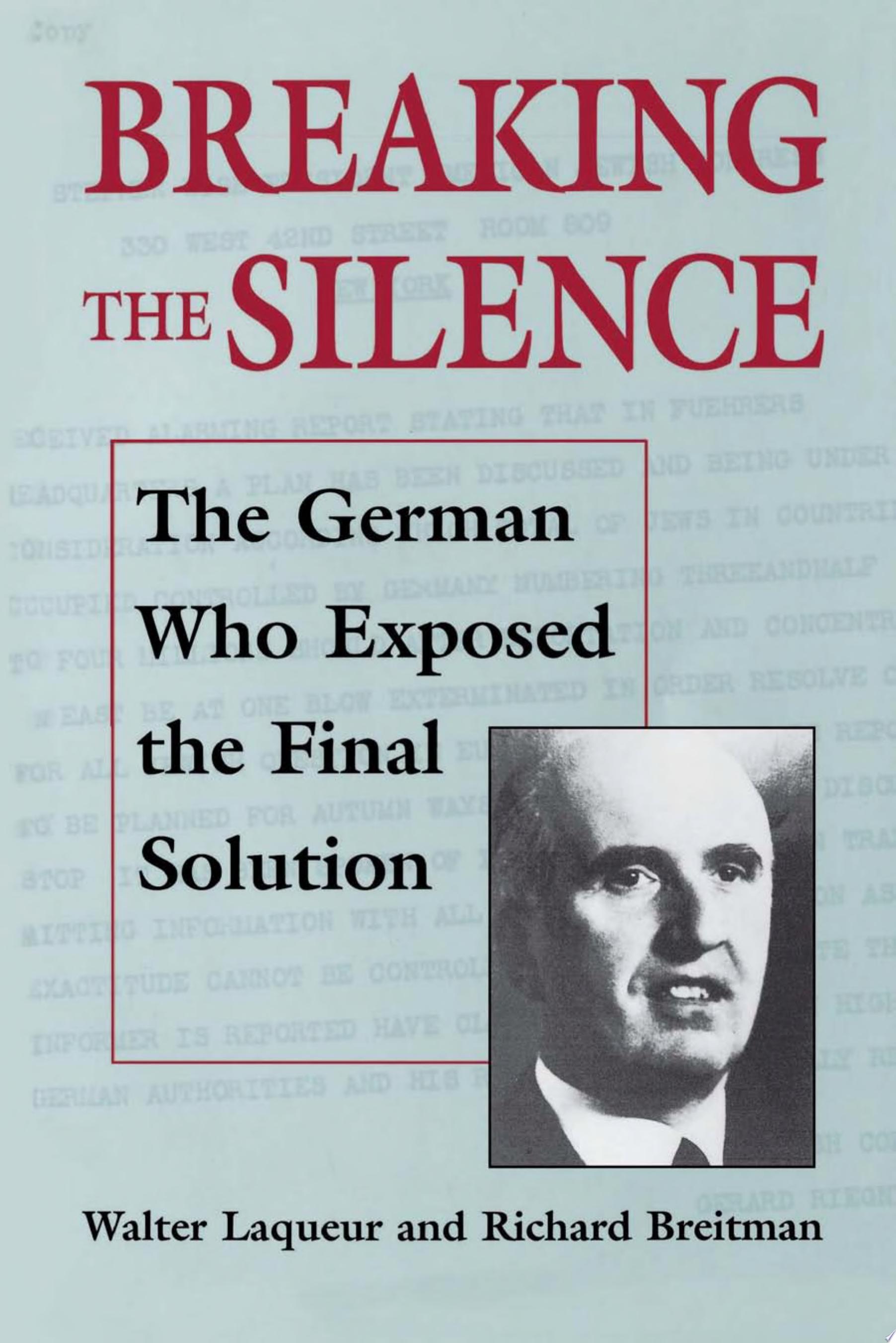
Breaking the Silence

Walter Laqueur

Through unparalleled historical detective work, noted scholars Walter Laqueur and Richard Breitman reveal the inspiring tale of Eduard Schulte, the Breslau business leader who risked his life to gather information about such Nazi activities as the revised date of the German attack on Poland and the Nazi plan for mass extermination of European Jews. First published in 1986, Breaking the Silence is reissued with both a new foreword and afterword by the authors.

View Details >>

Black Earth

Timothy Snyder

A brilliant, haunting, and profoundly original portrait of the defining tragedy of our time.

In this epic history of extermination and survival, Timothy Snyder presents a new explanation of the great atrocity of the twentieth century, and reveals the risks that we face in the twenty-first. Based on new sources from eastern Europe and forgotten testimonies from Jewish survivors, Black Earth recounts the mass murder of the Jews as an event that is still close to us, more comprehensible than we would like to think, and thus all the more terrifying. 

The Holocaust began in a dark but accessible place, in Hitler's mind, with the thought that the elimination of Jews would restore balance to the planet and allow Germans to win the resources they desperately needed. Such a worldview could be realized only if Germany destroyed other states, so Hitler's aim was a colonial war in Europe itself. In the zones of statelessness, almost all Jews died. A few people, the righteous few, aided them, without support from institutions. Much of the new research in this book is devoted to understanding these extraordinary individuals. The almost insurmountable difficulties they faced only confirm the dangers of state destruction and ecological panic. These men and women should be emulated, but in similar circumstances few of us would do so. 

By overlooking the lessons of the Holocaust, Snyder concludes, we have misunderstood modernity and endangered the future. The early twenty-first century is coming to resemble the early twentieth, as growing preoccupations with food and water accompany ideological challenges to global order. Our world is closer to Hitler's than we like to admit, and saving it requires us to see the Holocaust as it was --and ourselves as we are. 

Groundbreaking, authoritative, and utterly absorbing, Black Earth reveals a Holocaust that is not only history but warning.

View Details >>

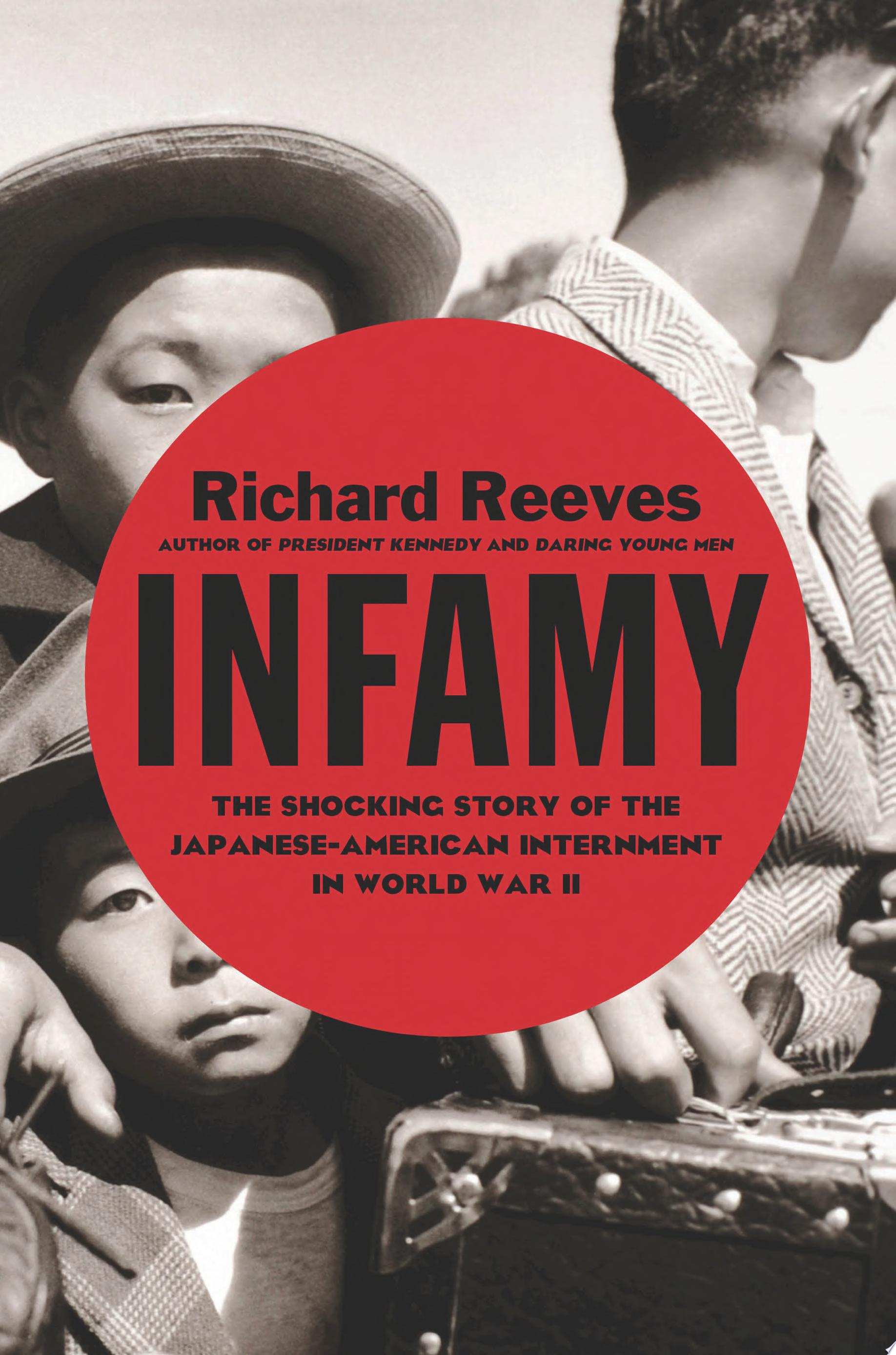
Infamy

Richard Reeves

A LOS ANGELES TIMES BESTSELLER • A NEW YORK TIMES BOOK REVIEW EDITOR'S CHOICE • Bestselling author Richard Reeves provides an authoritative account of the internment of more than 120,000 Japanese-Americans and Japanese aliens during World War II

Less than three months after Japan bombed Pearl Harbor and inflamed the nation, President Roosevelt signed an executive order declaring parts of four western states to be a war zone operating under military rule. The U.S. Army immediately began rounding up thousands of Japanese-Americans, sometimes giving them less than 24 hours to vacate their houses and farms. For the rest of the war, these victims of war hysteria were imprisoned in primitive camps.

In Infamy, the story of this appalling chapter in American history is told more powerfully than ever before. Acclaimed historian Richard Reeves has interviewed survivors, read numerous private letters and memoirs, and combed through archives to deliver a sweeping narrative of this atrocity. Men we usually consider heroes-FDR, Earl Warren, Edward R. Murrow-were in this case villains, but we also learn of many Americans who took great risks to defend the rights of the internees. Most especially, we hear the poignant stories of those who spent years in "war relocation camps," many of whom suffered this terrible injustice with remarkable grace.

Racism, greed, xenophobia, and a thirst for revenge: a dark strand in the American character underlies this story of one of the most shameful episodes in our history. But by recovering the past, Infamy has given voice to those who ultimately helped the nation better understand the true meaning of patriotism.

View Details >>

Port of No Return

Marilyn G. Miller

While most people are aware of the World War II internment of thousands of Japanese citizens and residents of the United States, few know that Germans, Austrians, and Italians were also apprehended and held in internment camps under the terms of the Enemy Alien Control Program. Port of No Return tells the story of New Orleans’s key role in this complex secret operation through the lens of Camp Algiers, located just three miles from downtown New Orleans.

Deemed to be one of two principal ports through which enemy aliens might enter the United States, New Orleans saw the arrival of thousands of Latin American detainees during the war years. Some were processed there by the Immigration and Naturalization Service before traveling on to other detention facilities, while others spent years imprisoned at Camp Algiers. In 1943, a contingent of Jewish refugees, some of them already survivors of concentration camps in Europe, were transferred to Camp Algiers in the wake of tensions at other internment sites that housed both refugees and Nazis. The presence of this group earned Camp Algiers the nickname “Camp of the Innocents.”

Despite the sinister overtones of the “enemy alien” classification, most of those detained were civilians who possessed no criminal record and had escaped difficult economic or political situations in their countries of origin by finding a refuge in Latin America. While the deportees had been assured that their stay in the United States would be short, such was rarely the case. Few of those deported to the U.S. during World War II were able to return to their countries of residence, either because their businesses and properties had been confiscated or because their home governments rejected their requests for reentry. Some were even repatriated to their countries of origin, a possibility that horrified Jews and others who had suffered under the Nazis. Port of No Return tells the varied, fascinating stories of these internees and their lives in Camp Algiers.

View Details >>

Eva's Story

Eva Schloss

Eva Schloss, Anne Frank's playmate and posthumous stepsister, recounts the horrors of war and her Holocaust experience in this stirring memoir.

People around the world know the tragic story of Anne Frank, the teenage girl who lost her life in a concentration camp during the Holocaust. But most people don't know about Eva Schloss, Anne's playmate and posthumous stepsister.

Though Eva, like Anne, was imprisoned in Auschwitz at the age of 15, her story did not end there. Together with her mother, Eva endured daily degradation and countless miseries at the hands of the Nazis. She was freed in 1945, but it would be decades before Eva was able to share her survivor's tale with the world.

Eva Schloss' moving memoir recounts--without bitterness or hatred--the horrors of war, the love between mother and daughter, and the strength and determination that helped a family overcome danger and tragedy.

First published in 1988, this 2019 paperback edition includes new discussion questions and a revealing interview with Eva Schloss.

View Details >>

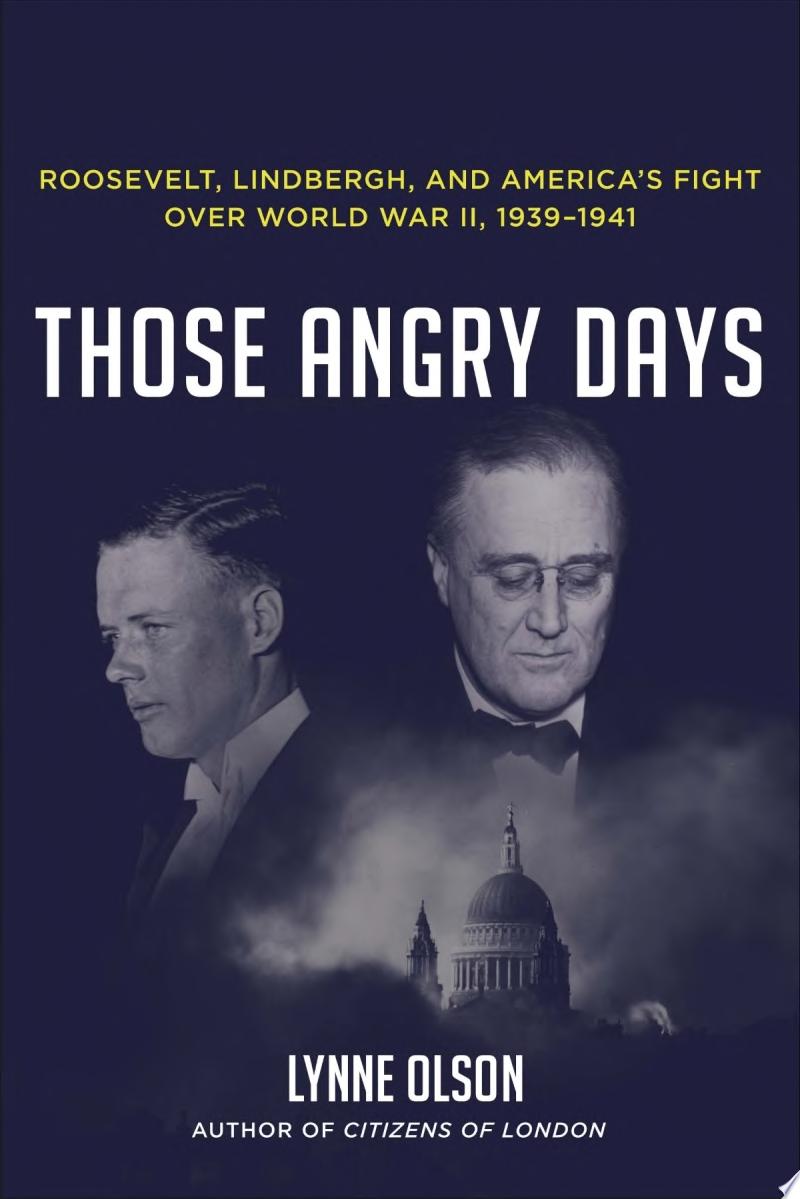
Those Angry Days

Lynne Olson

"NEW YORK TIMES "BESTSELLER 
From the acclaimed author of "Citizens of London" comes the definitive account of the debate over American intervention in World War II--a bitter, sometimes violent clash of personalities and ideas that divided the nation and ultimately determined the fate of the free world. 
At the center of this controversy stood the two most famous men in America: President Franklin D. Roosevelt, who championed the interventionist cause, and aviator Charles Lindbergh, who as unofficial leader and spokesman for America's isolationists emerged as the president's most formidable adversary. Their contest of wills personified the divisions within the country at large, and Lynne Olson makes masterly use of their dramatic personal stories to create a poignant and riveting narrative. While FDR, buffeted by political pressures on all sides, struggled to marshal public support for aid to Winston Churchill's Britain, Lindbergh saw his heroic reputation besmirched--and his marriage thrown into turmoil--by allegations that he was a Nazi sympathizer. 
Spanning the years 1939 to 1941, "Those Angry Days" vividly re-creates the rancorous internal squabbles that gripped the United States in the period leading up to Pearl Harbor. After Germany vanquished most of Europe, America found itself torn between its traditional isolationism and the urgent need to come to the aid of Britain, the only country still battling Hitler. The conflict over intervention was, as FDR noted, "a dirty fight," rife with chicanery and intrigue, and "Those Angry Days" recounts every bruising detail. In Washington, a group of high-ranking military officers, including the Air Force chief of staff, worked to sabotage FDR's pro-British policies. Roosevelt, meanwhile, authorized FBI wiretaps of Lindbergh and other opponents of intervention. At the same time, a covert British operation, approved by the president, spied on antiwar groups, dug up dirt on congressional isolationists, and planted propaganda in U.S. newspapers. 
The stakes could not have been higher. The combatants were larger than life. With the immediacy of a great novel, " Those Angry Days" brilliantly recalls a time fraught with danger when the future of democracy and America's role in the world hung in the balance. 

View Details >>

Freedom's Forge

Arthur Herman

NEW YORK TIMES BESTSELLER • SELECTED BY THE ECONOMIST AS ONE OF THE BEST BOOKS OF THE YEAR

“A rambunctious book that is itself alive with the animal spirits of the marketplace.”—The Wall Street Journal

Freedom’s Forge reveals how two extraordinary American businessmen—General Motors automobile magnate  William “Big Bill” Knudsen and shipbuilder Henry J. Kaiser—helped corral, cajole, and inspire business leaders across the country to mobilize the “arsenal of democracy” that propelled the Allies to victory in World War II. Drafting top talent from companies like Chrysler, Republic Steel, Boeing, Lockheed, GE, and Frigidaire, Knudsen and Kaiser turned auto plants into aircraft factories and civilian assembly lines into fountains of munitions. In four short years they transformed America’s army from a hollow shell into a truly global force, laying the foundations for the country’s rise as an economic as well as military superpower. Freedom’s Forge vividly re-creates American industry’s finest hour, when the nation’s business elites put aside their pursuit of profits and set about saving the world.

Praise for Freedom’s Forge

“A rarely told industrial saga, rich with particulars of the growing pains and eventual triumphs of American industry . . . Arthur Herman has set out to right an injustice: the loss, down history’s memory hole, of the epic achievements of American business in helping the United States and its allies win World War II.”The New York Times Book Review

“Magnificent . . . It’s not often that a historian comes up with a fresh approach to an absolutely critical element of the Allied victory in World War II, but Pulitzer finalist Herman . . . has done just that.”Kirkus Reviews (starred review)

“A compulsively readable tribute to ‘the miracle of mass production.’ ”Publishers Weekly

“The production statistics cited by Mr. Herman . . . astound.”The Economist

“[A] fantastic book.”Forbes

Freedom’s Forge is the story of how the ingenuity and energy of the American private sector was turned loose to equip the finest military force on the face of the earth. In an era of gathering threats and shrinking defense budgets, it is a timely lesson told by one of the great historians of our time.”—Donald Rumsfeld

View Details >>

Escape to Virginia

Robert H. Gillette

Jewish teenagers Eva and Topper desperately searched for an escape from the stranglehold of 1930s Nazi Germany. They studied agriculture at the Gross Breesen Institute and hoped to secure visas to gain freedom from the tyranny around them. Richmond department store owner William B. Thalhimer created a safe haven on a rural Virginia farm where Eva and Topper would find refuge. Discover the remarkable true story of two young German Jews who endured the emotional torture of their adolescence, journeyed to freedom and ultimately confronted the evil that could not destroy their spirit. Author Robert H. Gillette retells this harrowing narrative that is sure to inspire generations to come."

View Details >>

Rescue Board

Rebecca Erbelding

Featured historian in the Ken Burns documentary The U.S. and the Holocaust on PBS • WINNER OF THE NATIONAL JEWISH BOOK AWARD • In this remarkable work of historical reclamation, Holocaust historian Rebecca Erbelding pieces together years of research and newly uncovered archival materials to tell the dramatic story of America’s little-known efforts to save the Jews of Europe.

“An invaluable addition to the literature of the Holocaust.” —Andrew Nagorski, author of The Nazi Hunters and Hitlerland

“Brilliantly brings to life the gripping, little-known story of [a] transformative moment in American history and the crusading young government lawyers who made it happen.” —Lynne Olson, New York Times bestselling author of Last Hope Island

For more than a decade, a harsh Congressional immigration policy kept most Jewish refugees out of America, even as Hitler and the Nazis closed in. In 1944, the United States finally acted. That year, Franklin D. Roosevelt created the War Refugee Board, and put a young Treasury lawyer named John Pehle in charge. 
 
Over the next twenty months, Pehle pulled together a team of D.C. pencil pushers, international relief workers, smugglers, diplomats, millionaires, and rabble-rousers to run operations across four continents and a dozen countries. Together, they tricked the Nazis, forged identity papers, maneuvered food and medicine into concentration camps, recruited spies, leaked news stories, laundered money, negotiated ransoms, and funneled millions of dollars into Europe. They bought weapons for the French Resistance and sliced red tape to allow Jewish refugees to escape to Palestine.
 
“A landmark achievement, Rescue Board is the first history of the War Refugee Board. Meticulously researched and poignantly narrated, Rescue Board analyzes policies and practices while never losing sight of the human beings involved: the officials who sought to help and the victims in desperate need. Top-notch history: original and riveting.” —Debórah Dwork, founding director of the Strassler Center for Holocaust and Genocide Studies, Clark University, and coauthor of Flight from the Reich: Refugee Jews, 1933–1946

View Details >>

The Unwanted

Michael Dobbs

Published in association with the United States Holocaust Memorial Museum, a riveting story of Jewish families seeking to escape Nazi Germany.

In 1938, on the eve of World War II, the American journalist Dorothy Thompson wrote that "a piece of paper with a stamp on it" was "the difference between life and death." The Unwanted is the intimate account of a small village on the edge of the Black Forest whose Jewish families desperately pursued American visas to flee the Nazis. Battling formidable bureaucratic obstacles, some make it to the United States while others are unable to obtain the necessary documents. Some are murdered in Auschwitz, their applications for American visas still "pending."
     Drawing on previously unpublished letters, diaries, interviews, and visa records, Michael Dobbs provides an illuminating account of America's response to the refugee crisis of the 1930s and 1940s. He describes the deportation of German Jews to France in October 1940, along with their continuing quest for American visas. And he re-creates the heated debates among U.S. officials over whether or not to admit refugees amid growing concerns about "fifth columnists," at a time when the American public was deeply isolationist, xenophobic, and antisemitic.
     A Holocaust story that is both German and American, The Unwanted vividly captures the experiences of a small community struggling to survive amid tumultuous world events.

View Details >>

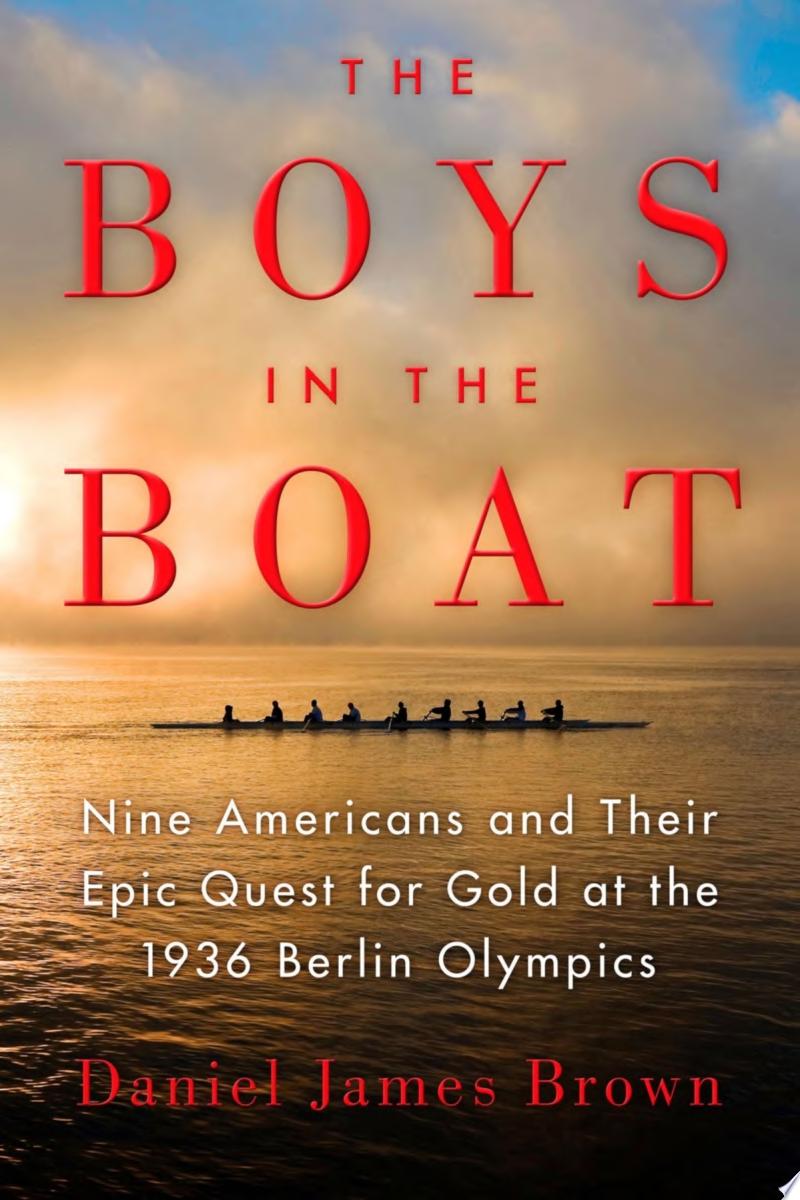
The Boys in the Boat

Daniel James Brown

Now a Major Motion Picture Directed by George Clooney

The #1 New York Times–bestselling story about the American Olympic rowing triumph in Nazi Germany—from the author of Facing the Mountain.

For readers of Unbroken, out of the depths of the Depression comes an irresistible story about beating the odds and finding hope in the most desperate of times—the improbable, intimate account of how nine working-class boys from the American West showed the world at the 1936 Olympics in Berlin what true grit really meant.

It was an unlikely quest from the start. With a team composed of the sons of loggers, shipyard workers, and farmers, the University of Washington’s eight-oar crew team was never expected to defeat the elite teams of the East Coast and Great Britain, yet they did, going on to shock the world by defeating the German team rowing for Adolf Hitler. The emotional heart of the tale lies with Joe Rantz, a teenager without family or prospects, who rows not only to regain his shattered self-regard but also to find a real place for himself in the world. Drawing on the boys’ own journals and vivid memories of a once-in-a-lifetime shared dream, Brown has created an unforgettable portrait of an era, a celebration of a remarkable achievement, and a chronicle of one extraordinary young man’s personal quest.

View Details >>

Berlin Games

Guy Walters

IN 1936, Adolf Hitler welcomed the world to Berlin to attend the Olympic Games. It promised to be not only a magnificent sporting event but also a grand showcase for the rebuilt Germany. No effort was spared to present the Third Reich as the newest global power. But beneath the glittering surface, the Games of the Eleventh Olympiad of the Modern Era came to act as a crucible for the dark political forces that were gathering, foreshadowing the bloody conflict to come.

The 1936 Olympics were nothing less than the most political sporting event of the last century—an epic clash between proponents of barbarism and those of civilization, both of whom tried to use the Games to promote their own values. Berlin Games is the complete history of those fateful two weeks in August. It is a story of the athletes and their accomplishments, an eye-opening account of the Nazi machine's brazen attempt to use the Games as a model of Aryan superiority and fascist efficiency, and a devastating indictment of the manipulative power games of politicians, diplomats, and Olympic officials that would ultimately have profound consequences for the entire world.

View Details >>

Olympic Pride, American Prejudice

Deborah Riley Draper

Discover the astonishing, inspirational, and largely unknown true story of the eighteen African American athletes who competed in the 1936 Berlin Olympic Games, defying the racism of both Nazi Germany and the Jim Crow South.

Set against the turbulent backdrop of a segregated United States, sixteen black men and two black women are torn between boycotting the Olympic Games in Nazi Germany or participating. If they go, they would represent a country that considered them second-class citizens and would compete amid a strong undercurrent of Aryan superiority that considered them inferior. Yet, if they stayed, would they ever have a chance to prove them wrong on a global stage? To be better than anyone ever expected?

Five athletes, full of discipline and heart, guide readers through this harrowing and inspiring journey. There’s a young and sometimes feisty Tidye Pickett from Chicago, whose lithe speed makes her the first African American woman to compete in the Olympic Games; a quiet Louise Stokes from Malden, Massachusetts, who breaks records across the Northeast with humble beginnings training on railroad tracks. We find Mack Robinson in Pasadena, California, setting an example for his younger brother, Jackie Robinson; and the unlikely competitor Archie Williams, a lanky book-smart teen in Oakland takes home a gold medal. Then there’s Ralph Metcalfe, born in Atlanta and raised in Chicago, who becomes the wise and fierce big brother of the group. Drawing on over five years of research, Draper and Thrasher bring to life a timely story of perseverance and the will to beat unsurmountable odds. 
From burning crosses set on the Robinsons’s lawn to a Pennsylvania small town on fire with praise and parades when the athletes return from Berlin, Olympic Pride, American Prejudice is full of emotion, grit, political upheaval, and the American dream. Capturing a powerful and untold chapter of history, the narrative is also a celebration of the courage, commitment, and accomplishments of these talented athletes and their impact on race, sports and inclusion around the world.

View Details >>

Five Came Back

Mark Harris

The extraordinary wartime experience of five of Hollywood's most legendary directors, all of whom put their stamp on World War II and were changed forever by it

In Pictures at a Revolution, Mark Harris turned the story of the five movies nominated for Best Picture in 1967 into a landmark work of cultural history about the transformation of an art form and the larger social shift it signified. In Five Came Back, he gives us something even more remarkable: the untold story of how Hollywood changed World War II, and how World War II changed Hollywood, through the director's lens.

It is little remembered now, but in prewar America, Hollywood's relationship with Washington was decidedly tense. Investigations into corruption and racketeering were multiplying, and hanging in the air was the insinuation that the business was too foreign, too Jewish, too "un-American" in its values and causes. Could an industry with such a powerful influence on America's collective mindset really be left in the hands of this crew?

When war came, the propaganda effort to win the hearts and minds of American soldiers and civilians was absolutely vital. Nothing else had the power of film to educate and inspire. But the government was not remotely equipped to harness it--so FDR and the military had little choice but to turn to Hollywood for help. In an unprecedented move, the whole business was farmed out to a handful of Hollywood's most acclaimed film directors, accompanied by a creative freedom over film-making in combat zones that no one had ever had before or would ever have again.

The effort was dominated by five directing legends: John Ford, William Wyler, John Huston, Frank Capra, and George Stevens. They were complicated, competitive men, gifted and flawed in equal measure, and they didn't always get along, with each other or with their military supervisors. But between them they were on the scene of almost every major moment of America's war and in every branch of service--army, navy, and air force, Atlantic and Pacific; from Midway to North Africa; from Normandy to the fall of Paris and the liberation of the Nazi death camps. In the end, though none of them emerged unscarred, they produced a body of work that was essential to how Americans perceived the war, and still do.

The product of five years of original archival research, Five Came Back is an epic achievement, providing a revelatory new understanding of Hollywood's role in the war through the life and work of five men who chose to go, and who came back.

View Details >>

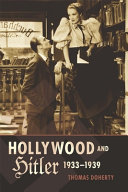
Hollywood and Hitler, 1933-1939

Thomas Patrick Doherty

Between 1933 and 1939, representations of the Nazis and the full meaning of Nazism came slowly to Hollywood, growing more ominous and distinct only as the decade wore on. Recapturing what ordinary Americans saw on the screen during the emerging Nazi threat, Thomas Doherty reclaims forgotten films, such as Hitler's Reign of Terror (1934), a pioneering anti-Nazi docudrama by Cornelius Vanderbilt Jr.; I Was a Captive of Nazi Germany (1936), a sensational true tale of "a Hollywood girl in Naziland!"; and Professor Mamlock (1938), an anti-Nazi film made by German refugees living in the Soviet Union.

Doherty also recounts how the disproportionately Jewish backgrounds of the executives of the studios and the workers on the payroll shaded reactions to what was never simply a business decision. As Europe hurtled toward war, a proxy battle waged in Hollywood over how to conduct business with the Nazis, how to cover Hitler and his victims in the newsreels, and whether to address or ignore Nazism in Hollywood feature films. Should Hollywood lie low, or stand tall and sound the alarm?

Doherty's history features a cast of charismatic personalities: Carl Laemmle, the German Jewish founder of Universal Pictures, whose production of All Quiet on the Western Front (1930) enraged the nascent Nazi movement; Georg Gyssling, the Nazi consul in Los Angeles, who read the Hollywood trade press as avidly as any studio mogul; Vittorio Mussolini, son of the fascist dictator and aspiring motion picture impresario; Leni Riefenstahl, the Valkyrie goddess of the Third Reich who came to America to peddle distribution rights for Olympia (1938); screenwriters Donald Ogden Stewart and Dorothy Parker, founders of the Hollywood Anti-Nazi League; and Harry and Jack Warner of Warner Bros., who yoked anti-Nazism to patriotic Americanism and finally broke the embargo against anti-Nazi cinema with Confessions of a Nazi Spy (1939).

View Details >>

One Long Night

Andrea Pitzer

"Masterly" -- The New Yorker A Smithsonian Magazine Best History Book of the Year

A groundbreaking, haunting, and profoundly moving history of modernity's greatest tragedy: concentration camps

For over 100 years, at least one concentration camp has existed somewhere on Earth. First used as battlefield strategy, camps have evolved with each passing decade, in the scope of their effects and the savage practicality with which governments have employed them. Even in the twenty-first century, as we continue to reckon with the magnitude and horror of the Holocaust, history tells us we have broken our own solemn promise of "never again."

In this harrowing work based on archival records and interviews during travel to four continents, Andrea Pitzer reveals for the first time the chronological and geopolitical history of concentration camps. Beginning with 1890s Cuba, she pinpoints concentration camps around the world and across decades. From the Philippines and Southern Africa in the early twentieth century to the Soviet Gulag and detention camps in China and North Korea during the Cold War, camp systems have been used as tools for civilian relocation and political repression. Often justified as a measure to protect a nation, or even the interned groups themselves, camps have instead served as brutal and dehumanizing sites that have claimed the lives of millions.

Drawing from exclusive testimony, landmark historical scholarship, and stunning research, Andrea Pitzer unearths the roots of this appalling phenomenon, exploring and exposing the staggering toll of the camps: our greatest atrocities, the extraordinary survivors, and even the intimate, quiet moments that have also been part of camp life during the past century.

View Details >>

We Wish to Inform You That Tomorrow We Will Be Killed with Our Families

Philip Gourevitch

We Wish to Inform You That Tomorrow We Will Be Killed with Our Families is the winner of the National Book Critics Circle Award for Nonfiction. 

An unforgettable firsthand account of a people's response to genocide and what it tells us about humanity. 

This remarkable debut book from Philip Gourevitch chronicles what has happened in Rwanda and neighboring states since 1994, when the Rwandan government called on everyone in the Hutu majority to murder everyone in the Tutsi minority. Though the killing was low-tech--largely by machete--it was carried out at shocking speed: some 800,000 people were exterminated in a hundred days. A Tutsi pastor, in a letter to his church president, a Hutu, used the chilling phrase that gives Gourevitch his title.

With keen dramatic intensity, Gourevitch frames the genesis and horror of Rwanda's "genocidal logic" in the anguish of its aftermath: the mass displacements, the temptations of revenge and the quest for justice, the impossibly crowded prisons and refugee camps. Through intimate portraits of Rwandans in all walks of life, he focuses on the psychological and political challenges of survival and on how the new leaders of postcolonial Africa went to war in the Congo when resurgent genocidal forces threatened to overrun central Africa.

Can a country composed largely of perpetrators and victims create a cohesive national society? This moving contribution to the literature of witness tells us much about the struggle everywhere to forge sane, habitable political orders, and about the stubbornness of the human spirit in a world of extremity.

View Details >>

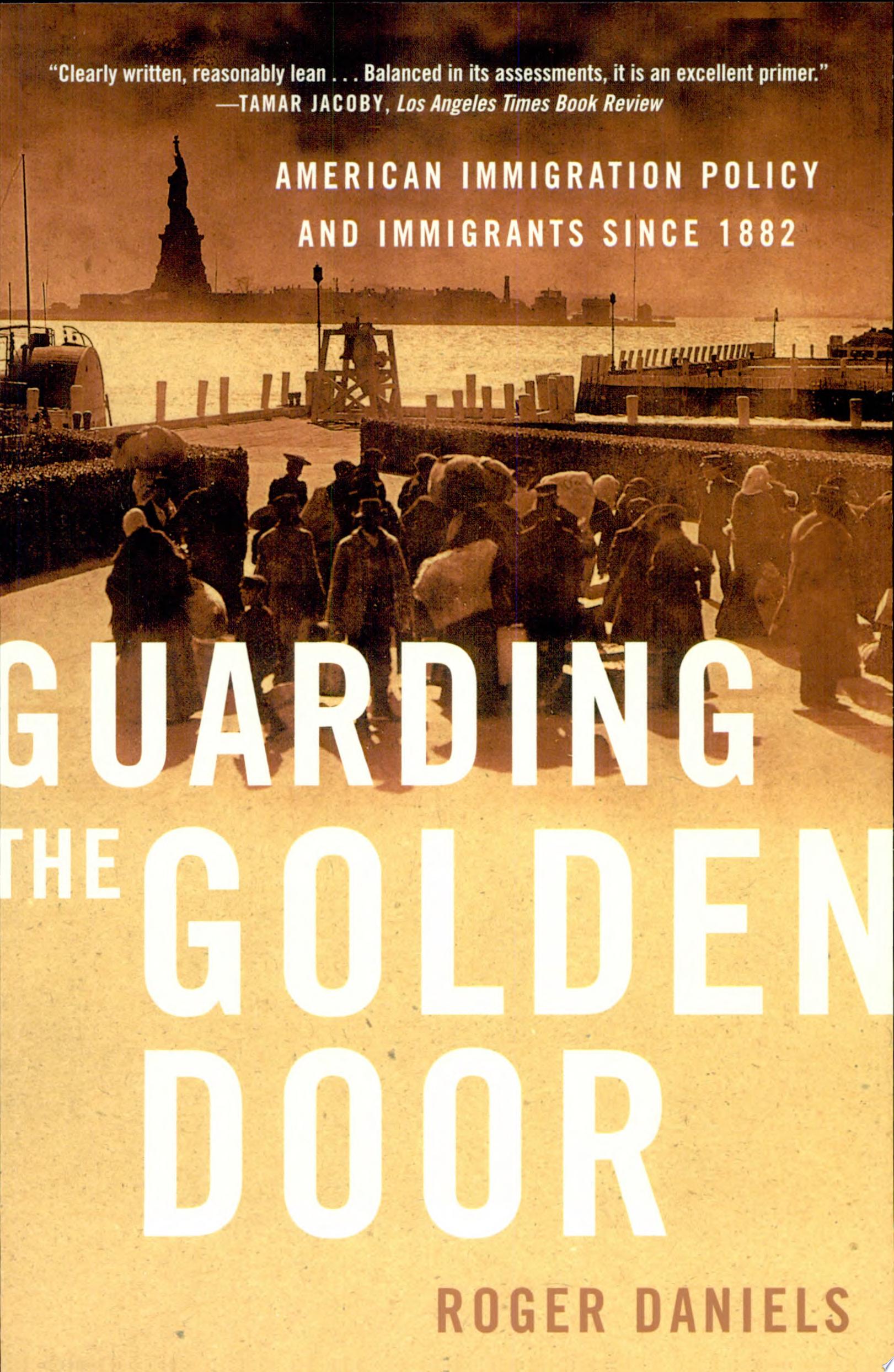
Guarding the Golden Door

Roger Daniels

"Arguably the most useful for general readers. Clearly written, reasonably lean and on the whole, balanced in its assessments, it is an excellent primer." --Los Angeles Times

The federal government's efforts to pick and choose among the multitude of immigrants seeking to enter the United States began with the Chinese Exclusion Act of 1882. Conceived in ignorance and falsely presented to the public, it had undreamt of consequences, and this pattern has been rarely deviated from since. As renowned historian Roger Daniels shows in this brilliant new work, America's inconsistent, often illogical, and always cumbersome immigration policy has profoundly affected our recent past.

Immigration policy in Daniels' skilled hands shows Americans at their best and worst, from the nativist violence that forced Theodore Roosevelt's 1907 "gentlemen's agreement" with Japan to the generous refugee policies adopted after World War Two and throughout the Cold War. And in a conclusion drawn from today's headlines, Daniels makes clear how far ignorance, partisan politics, and unintended consequences have overtaken immigration policy during the current administration's War on Terror.

Irreverent, deeply informed, and authoritative, Guarding the Golden Door presents an unforgettable interpretation of modern American history.
 

View Details >>

The Second Coming of the KKK

Linda Gordon

Extraordinary national acclaim accompanied the publication of award-winning historian Linda Gordon’s disturbing and markedly timely history of the reassembled Ku Klux Klan of the 1920s. 

Dramatically challenging our preconceptions of the hooded Klansmen responsible for establishing a Jim Crow racial hierarchy in the 1870s South, this “second Klan” spread in states principally above the Mason-Dixon line by courting xenophobic fears surrounding the flood of immigrant “hordes” landing on American shores. 

“Part cautionary tale, part expose” (Washington Post), The Second Coming of the KKK “illuminates the surprising scope of the movement” (The New Yorker); the Klan attracted four-to-six-million members through secret rituals, manufactured news stories, and mass “Klonvocations” prior to its collapse in 1926--but not before its potent ideology of intolerance became part and parcel of the American tradition. A “must-read” (Salon) for anyone looking to understand the current moment, The Second Coming of the KKK offers “chilling comparisons to the present day” (New York Review of Books). 

8 pages of illustrations

View Details >>

Hitler's American Friends

Bradley W. Hart

"A book examining the strange terrain of Nazi sympathizers, nonintervention campaigners and other voices in America who advocated on behalf of Nazi Germany in the years before World War II. Americans who remember World War II reminisce about how it brought the country together. The less popular truth behind this warm nostalgia: until the attack on Pearl Harbor, America was deeply, dangerously divided. Bradley W. Hart's Hitler's American Friends exposes the homegrown antagonists who sought to protect and promote Hitler, leave Europeans (and especially European Jews) to fend for themselves, and elevate the Nazi regime. Some of these friends were Americans of German heritage who joined the Bund, whose leadership dreamed of installing a stateside Fuhrer. Some were as bizarre and hair-raising as the Silver Shirt Legion, run by an eccentric who claimed that Hitler fulfilled a religious prophesy. Some were Midwestern Catholics like Father Charles Coughlin, an early right-wing radio star who broadcast anti-Semitic tirades. They were even members of Congress who used their franking privilege--sending mail at cost to American taxpayers--to distribute German propaganda. And celebrity pilot Charles Lindbergh ended up speaking for them all at the America First Committee. We try to tell ourselves it couldn't happen here, but Americans are not immune to the lure of fascism. Hitler's American Friends is a powerful look at how the forces of evil manipulate ordinary people, how we stepped back from the ledge, and the disturbing ease with which we could return to it"--

View Details >>

Learning from the Germans

Susan Neiman

As an increasingly polarized America fights over the legacy of racism, Susan Neiman, author of the contemporary philosophical classic Evil in Modern Thought, asks what we can learn from the Germans about confronting the evils of the past

In the wake of white nationalist attacks, the ongoing debate over reparations, and the controversy surrounding Confederate monuments and the contested memories they evoke, Susan Neiman’s Learning from the Germans delivers an urgently needed perspective on how a country can come to terms with its historical wrongdoings. Neiman is a white woman who came of age in the civil rights–era South and a Jewish woman who has spent much of her adult life in Berlin. Working from this unique perspective, she combines philosophical reflection, personal stories, and interviews with both Americans and Germans who are grappling with the evils of their own national histories.

Through discussions with Germans, including Jan Philipp Reemtsma, who created the breakthrough Crimes of the Wehrmacht exhibit, and Friedrich Schorlemmer, the East German dissident preacher, Neiman tells the story of the long and difficult path Germans faced in their effort to atone for the crimes of the Holocaust. In the United States, she interviews James Meredith about his battle for equality in Mississippi and Bryan Stevenson about his monument to the victims of lynching, as well as lesser-known social justice activists in the South, to provide a compelling picture of the work contemporary Americans are doing to confront our violent history. In clear and gripping prose, Neiman urges us to consider the nuanced forms that evil can assume, so that we can recognize and avoid them in the future.

View Details >>

After They Closed the Gates

Libby Garland

In 1921 and 1924, the United States passed laws to sharply reduce the influx of immigrants into the country. By allocating only small quotas to the nations of southern and eastern Europe, and banning almost all immigration from Asia, the new laws were supposed to stem the tide of foreigners considered especially inferior and dangerous. However, immigrants continued to come, sailing into the port of New York with fake passports, or from Cuba to Florida, hidden in the holds of boats loaded with contraband liquor. Jews, one of the main targets of the quota laws, figured prominently in the new international underworld of illegal immigration. However, they ultimately managed to escape permanent association with the identity of the “illegal alien” in a way that other groups, such as Mexicans, thus far, have not.

In After They Closed the Gates, Libby Garland tells the untold stories of the Jewish migrants and smugglers involved in that underworld, showing how such stories contributed to growing national anxieties about illegal immigration. Garland also helps us understand how Jews were linked to, and then unlinked from, the specter of illegal immigration. By tracing this complex history, Garland offers compelling insights into the contingent nature of citizenship, belonging, and Americanness.

View Details >>

"A Problem from Hell"

Samantha Power

Former UN Ambassador Samantha Power's Pulitzer Prize-winning analysis of America's repeated failure to stop genocides around the world
In her Pulitzer Prize-winning examination of the last century of American history, Samantha Power asks the haunting question: Why do American leaders who vow "never again" repeatedly fail to stop genocide? Power, a professor at the Harvard Kennedy School and the former US Ambassador to the United Nations, draws upon exclusive interviews with Washington's top policymakers, thousands of declassified documents, and her own reporting from modern killing fields to provide the answer. "A Problem from Hell" shows how decent Americans inside and outside government refused to get involved despite chilling warnings, and tells the stories of the courageous Americans who risked their careers and lives in an effort to get the United States to act. A modern classic, "A Problem from Hell" has forever reshaped debates about American foreign policy.
Winner of the Pulitzer Prize
Winner of the Robert F. Kennedy Book Award
Winner of the National Book Critics Circle Award
Winner of the J. Anthony Lukas Book Prize
Winner of the Anisfield-Wolf Book Award
Winner of the Raphael Lemkin Award

View Details >>